
Cold Insulation is needed when you need to maintain your working below the surrounding temperature. It is quite demanding in industries like pharmacy and edible factories where the ingredients are often subjected to get damaged or deteriorate above a definite function. The additives are known to function efficiently under a fixed temperature.
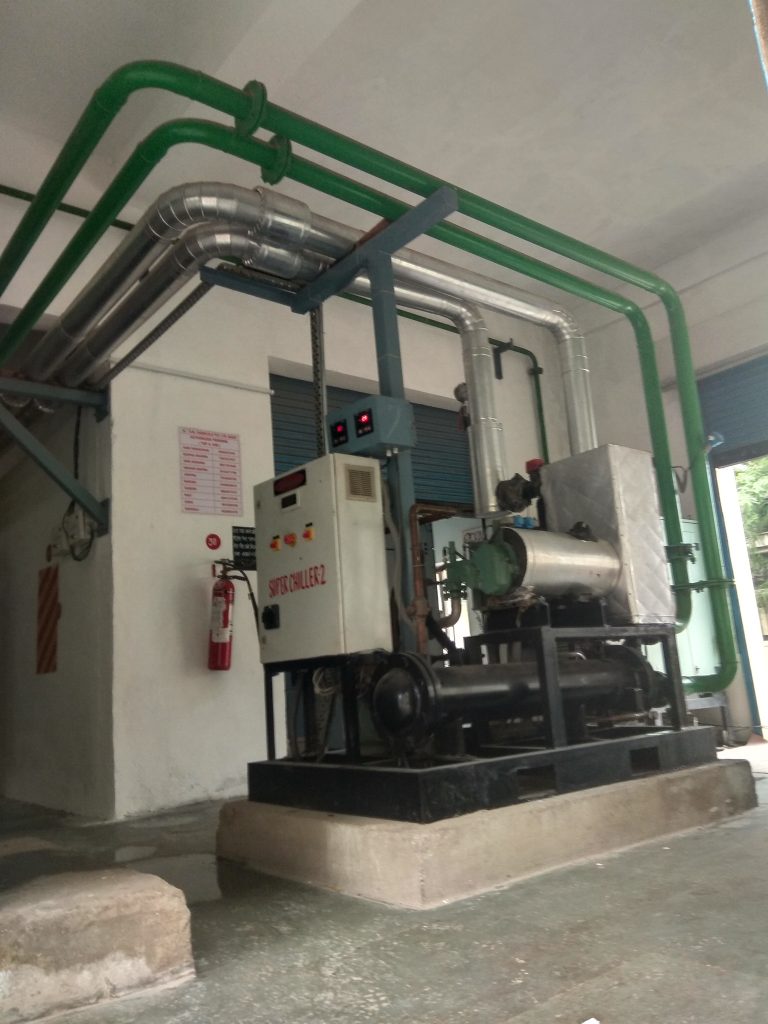
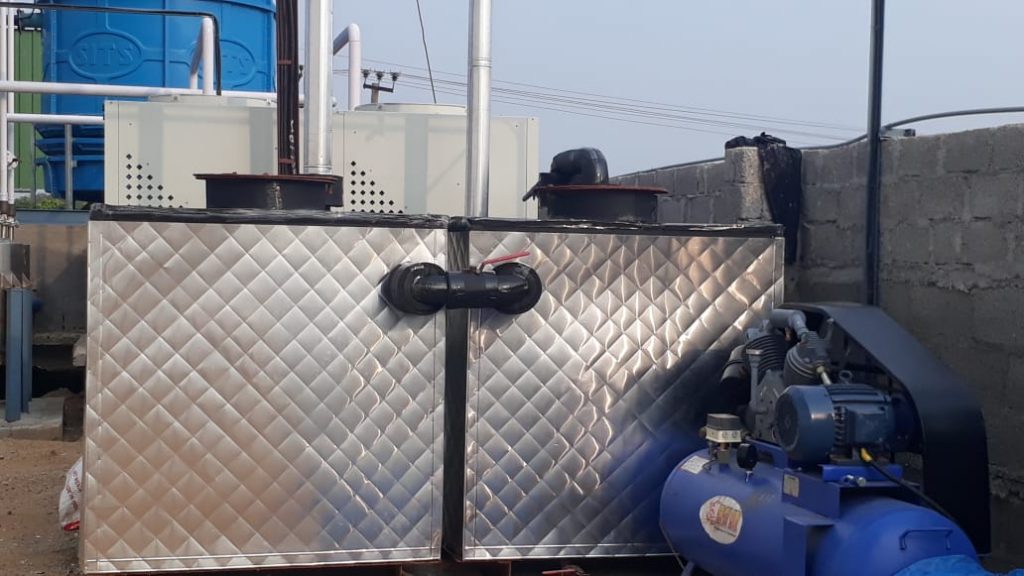
We have our own technology to handle this well. Our Insulating materials and designs ensure no leakage of energy to-fro the surroundings, thus letting you operate your job efficiently.
With Kay Pee Insulator, you can have your instruments insulated in various ways, against the temperature drop. Here, we mention two such approaches we often follow:
1. Nitrile Rubber
Nitrile rubber insulation is a very versatile and flexible insulation. It is widely used the Industrial insulation, air-conditioning, plumbing and Hvac industries. It is a closed cell elastomeric insulation and is resistant to water vapour, oil and most acids.
Pipes, vessels and equipment shall be insulated throughout with Class 0, or an equivalent elastomeric Nitrile-rubber foam insulation that is closed cell, flexible and has a built-in vapour barrier. Pipes shall be insulated with Class 0 in pre-formed tubes. Pipes, that are too large for tube insulation shall be insulated with Class 0 in sheet form.
Work process
To clean the surface, fixing Nitrile rubber with adhesive and joint seal with black cello tape and finished with aluminium sheet with the help of st. screws.
2. PUF Insulation (Polyurethene foam)
Globally recognized as the number-one polymer, polyurethane foam belongs to the class of gas-expanded or foamed plastics. Any thermal insulation material contains 85 to 90 per cent of air, so manufacturing insulants on the construction site is much more convenient and profitable than “carrying the air” by railway or truck from afar.
Polyurethane foam is the result of a reaction between two liquid components – polyol and Polyisocyanate – which produces air-filled microcapsules.
Work process
To clean the surface, fabrication and fixing sheet cladding with self taping screws at suitable intervals. Finally pouring PUF chemicals in desired thickness. (Manually)
Having queries related to Cold Insulation? Contact us right now. you can mail us or call us anytime.
